
Smith County court search tools allow public users to find civil, criminal, probate, family, and traffic case details through official county and Texas judicial systems. Many online court access portals let users search by case number, party name, filing date, or attorney information. These public court databases help people review county case information without visiting the courthouse in person. Quick online searches save time and provide current updates directly from official judicial sources. Many users rely on these systems to check hearings, filings, and court activity.
Smith County court search systems help residents, attorneys, employers, and researchers review Texas court documents from one location. Public lookup portals often display hearing dates, court filings, judgments, and active case status updates. Texas public access laws allow many judicial files to remain open for public review through county court systems. Some confidential matters, including juvenile and sealed cases, stay restricted under state law. Official lookup methods provide a reliable way to verify court information and review legal case details online.

How to Search Smith County Court Records
Smith County provides online access to court records through its public Judicial Records Search system. Users can search case information, court filings, hearing details, and other publicly available judicial records online.
Open the Official Smith County Court Records Portal
Visit the official Smith County Court Records portal: https://judicial.smith-county.com/PublicAccess
The portal provides access to court records, hearing information, and jail records maintained by Smith County.
Select Smart Search
After opening the portal, users will see three search options:
| Option | Purpose |
|---|---|
| Search Hearings | Search upcoming or past court hearings |
| Smart Search | Search court records and case information |
| Jail Search | Search jail and inmate records |
To search court records, click Smart Search.
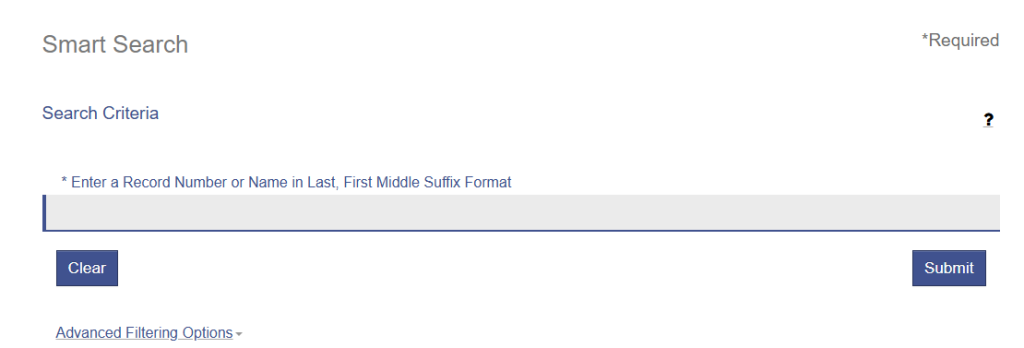
Enter Search Criteria
The Smart Search tool allows users to search court records using available information such as:
- Case Number
- Party Name
- Business Name
- Attorney Name
- Citation Number
- Filing Information
Enter the available information into the search box.
Run the Search
Click the Search button to retrieve matching records.
The system will search Smith County court databases and display records matching the entered criteria.
Review Search Results
Search results may include:
- Case Number
- Case Type
- Filing Date
- Case Status
- Plaintiff Information
- Defendant Information
- Attorney Information
- Assigned Court
- Hearing Dates
Users can review the list and select the appropriate case.
Open the Case Record
Click on a case number or case title to view additional information.
Available information may include:
- Case Summary
- Court Events
- Hearing Schedule
- Docket Entries
- Party Information
- Judicial Actions
- Filed Documents
Search by Case Number
A case number search is generally the most accurate method.
- Open Smart Search.
- Enter the complete case number.
- Click Search.
- Review the matching case record.
Search by Party Name
If the case number is unknown:
- Open Smart Search.
- Enter the first and last name.
- Click Search.
- Review the matching cases.
This method can be used to locate civil, criminal, family, and probate cases.
Search Hearings Option
Users who only need hearing information can select Search Hearings instead of Smart Search.
This tool allows searches by:
- Hearing Date
- Courtroom
- Judge
- Case Number
Jail Search Option
Users looking for inmate or jail information can select Jail Search.
This feature may provide:
- Inmate Search
- Booking Information
- Custody Status
- Jail Records
What Are Smith County Court Records?
Smith County Texas court records are official files created during legal cases handled by county courts. These records contain information about court proceedings, legal filings, hearing records, judgments, and final case outcomes. Courts maintain these files to document every stage of a case from the initial filing to the final disposition. Many court case files remain available to the public, though some records stay restricted under Texas privacy laws. People often search these county court documents to review case activity, verify legal decisions, or check public court data tied to a person or business.
Common Types of Smith County Court Records
Smith County judicial records can contain many types of court-related information depending on the case category and court division. These records help track litigation records, judicial filings, and case activity from beginning to end.
Common court case files include:
- Docket entries
- Legal filings
- Hearing records
- Case documents
- Judgments
- Dispositions
- Court orders
- Sentencing details
- Probate filings
- Civil lawsuit records
Many county judicial archives now store records digitally, though older files may still exist in paper form at courthouse record departments.
What Information Court Records Include
Court records usually contain detailed information connected to a legal matter and the people involved in the case. A standard record may show the case number, filing date, court location, party names, attorney details, and updates from court proceedings. Many files include judgments, dispositions, hearing records, and official legal filings submitted during the case timeline. Some records contain scanned copies of signed court orders, financial penalties, or sentencing details depending on the case category. Courts regularly update docket entries as new actions occur, which helps users track litigation records and ongoing judicial activity.
Who Can Access Public Court Records
Many Smith County judicial records remain open for public review under Texas public records laws. Residents, attorneys, journalists, employers, and researchers often review public court data for legal or informational purposes. People may search county court documents online, request copies from the court clerk, or review files directly at the courthouse. Most court systems allow searches using basic details like a party name, case number, attorney name, or filing date. Some document copies may require a processing fee, especially certified records or large case document requests.
Differences Between Public and Restricted Records
Not every court record remains available for public inspection since Texas law protects certain sensitive information. Public records usually include basic civil cases, traffic matters, probate files, and many criminal court summaries. Restricted records may involve juvenile proceedings, sealed case documents, adoption records, mental health matters, or confidential financial details. Courts sometimes remove private information from public versions of judicial filings to protect personal data and court security. Record availability can vary by court division, case status, and legal restrictions connected to the specific court proceedings.
Types of Smith County Court Records Available
Smith County TX court records include many legal case categories filed through county and district courts. These records help the public perform a court case lookup for civil filings, criminal filings, probate matters, family disputes, traffic violations, and small claims cases. Court files often contain hearing dates, case numbers, judgments, motions, and party details connected to each filing. Many records remain public unless state law seals the file or limits public viewing. Attorneys, employers, researchers, and residents often use these records for legal verification and case research.
Civil Court Records
Civil court records involve non-criminal disputes between people, businesses, landlords, or organizations. These civil filings usually focus on money disputes, property litigation, contract disputes, or personal injury cases filed through county courts. A civil court case lookup may show lawsuit records, judgments, hearing dates, motions, and plaintiff and defendant records linked to the dispute. Many users search civil court records to review settlement outcomes or verify pending legal claims against a person or company. County courts in Texas process a large number of civil filings each year tied to business disagreements, insurance disputes, and property-related lawsuits. Some case details may stay restricted when privacy laws apply to the filing.
Criminal Court Records
Criminal court records contain filings tied to alleged law violations prosecuted by the state. These criminal filings may include misdemeanor charges, felony cases, arrest-related court filings, prosecution records, and sentencing documents connected to the defendant. Court databases often display criminal charges, hearing schedules, plea agreements, probation details, and final case outcomes. Many employers and legal researchers review criminal court records during background screening or legal investigations. Felony cases usually move through district courts, whereas misdemeanor offenses often stay within county court systems. Texas courts may block public viewing of juvenile cases or sealed prosecution records under state law.
Common criminal filings may include:
- Arrest-related court filings
- Sentencing documents
- Probation records
- Warrant filings
- Bond information
Family Court Records
Family court cases involve legal matters connected to marriage, children, guardianship, and domestic relationships. These records commonly include divorce records, child custody disputes, support orders, family litigation matters, and parental rights cases. A family court case lookup may contain hearing dates, custody arrangements, financial support details, and court rulings tied to the dispute. Courts often restrict public visibility of records involving minors or sensitive family matters. Many people search family court cases to confirm divorce filings or review active child support orders. Protective orders and adoption matters may appear within family court systems depending on the filing type.
Probate Court Records
Probate court records focus on estate matters after a person dies or becomes unable to manage personal affairs. These filings often involve wills, estate administration, guardianship matters, inheritance disputes, and executor appointments handled through probate courts. Probate records may contain beneficiary names, court orders, estate inventories, and property distribution details connected to the estate. Families often search probate court records to verify whether a will entered probate court or to review estate case updates. Guardianship filings may involve elderly adults or minors requiring legal supervision approved by the court. Some financial details may stay confidential depending on the probate filing and court order.
Traffic & Municipal Cases
Traffic court records contain filings tied to driving offenses and local ordinance violations processed through municipal courts. These records may include citations, ticket records, speeding violations, parking offenses, and expired registration cases. A traffic court records search often shows citation numbers, hearing dates, payment balances, and final court outcomes tied to the violation. Many drivers review these records to confirm unpaid fines or dismissal status after court appearances. Municipal courts may handle local code violations unrelated to traffic incidents. Repeated driving offenses can lead to license penalties, higher fines, or additional court action in Texas courts.
Small Claims Court Records
Small claims cases involve lower-value monetary disputes handled through simplified court procedures. These filings commonly include debt collection filings, local claims, unpaid service disputes, rental disagreements, and consumer complaints between two parties. Small claims court records may contain hearing schedules, judgments, payment orders, and plaintiff and defendant records tied to the case. Many residents search these records to review case status or verify court-ordered payments. Texas small claims courts usually process disputes involving limited financial amounts set by state law. These court proceedings often move faster than larger civil lawsuit cases filed in district courts.
Online Access to Smith County Court Records
Smith County court records online help users search case information without visiting the courthouse in person. Many courts now provide online court access through digital records systems, searchable databases, and electronic filing systems connected to county courts.
Online court tools may display case numbers, hearing dates, filing details, judgments, and party names linked to court cases. Public users often search these systems to review case status, monitor hearings, or verify legal filings from home or mobile devices.
Official County Lookup Systems
Official county lookup systems provide direct online court access through government-managed court portals. These platforms often contain official records connected to civil filings, criminal filings, probate matters, family disputes, and traffic cases filed within Smith County courts. Many county court portal systems allow users to search by case number, party name, attorney name, or filing date. Court databases may include hearing schedules, motions, judgments, and docket updates connected to active or closed cases. Public users often rely on official systems for more accurate and updated court information tied to county records. Some records may stay restricted when state privacy laws limit public viewing.
Official court systems may provide:
- Online docket system searches
- Electronic filing system details
- Court calendar information
- Case status updates
- Downloadable public documents
Third-Party Record Databases
Third-party public records databases collect court information from multiple counties and jurisdictions into one searchable platform. These case search platforms may help users locate records faster when searching across several court systems at once. Many websites provide searchable databases for criminal filings, civil lawsuit records, traffic cases, and probate matters. Some platforms may charge subscription fees for full reports or expanded search features connected to digital records. Public users should compare information with official county court portals before relying on the results. Data delays, incomplete filings, and reporting errors can appear within third-party systems.
Important details about third-party databases:
- Records may update slower than official systems
- Some filings may appear incomplete
- Sealed records may remain unavailable
- Search results can vary between platforms
- Verification through official records remains important
Mobile Access & Remote Search Options
Many courts now support remote access through mobile-friendly court websites and online case monitoring tools. Users can search Smith County court records online from smartphones, tablets, laptops, or desktop computers connected to the internet. Digital court services often help residents review hearing schedules, monitor case progress, and check filing updates without visiting the courthouse. Remote search tools became more common as courts expanded electronic filing systems and online record management services. Mobile court access saves time for attorneys, businesses, journalists, and residents tracking active court matters. Some court systems may require account registration before allowing full online record searches or document downloads.
Smith County Court System Structure
The Smith County court system handles many types of legal cases through several court levels. These courts manage civil disputes, criminal cases, probate matters, traffic violations, and local ordinance issues under the Texas judiciary system.
Each court has its own duties, case limits, and legal authority within county judicial administration. Public users often review court structures before searching district court records, county court records, JP court records, or municipal case records.
District Courts
District courts handle many serious legal matters filed within Smith County courts. These courts usually process felony criminal cases, large civil lawsuits, family litigation matters, and selected probate disputes under Texas law. District court records may include felony charges, divorce cases, child custody disputes, property litigation, and high-value civil claims. Many district courts manage jury trials, major criminal prosecutions, and complex legal disputes involving businesses or multiple parties. Public users often search district court records for hearing schedules, judgments, motions, and case outcomes tied to larger legal matters. District courts play a major role within the county court system and broader Texas judiciary structure.
District courts commonly handle:
- Felony criminal cases
- Divorce and custody disputes
- High-value civil lawsuits
- Property litigation matters
- Jury trial proceedings
County Courts at Law
County courts at law handle many mid-level legal matters within the Smith County court system. These courts often process misdemeanor criminal cases, probate matters, civil disputes, and appeals from lower courts. County court records may include hearing dates, judgments, motions, sentencing documents, and probate filings connected to active cases. Many residents use county courts at law for legal disputes involving moderate financial claims or county-level criminal offenses. These courts help reduce pressure on district courts by managing a large portion of daily judicial administration tasks. Court jurisdiction may vary depending on Texas statutes and local county rules.
County courts at law often process:
- Misdemeanor charges
- Probate filings
- Civil disputes with lower claim amounts
- Appeals from JP courts
- County-level criminal filings
Justice of the Peace Courts
Justice of the Peace courts, often called JP courts, handle smaller legal matters and limited civil disputes. JP court records may include eviction filings, small claims cases, traffic violations, debt collection disputes, and minor criminal offenses. These courts often provide faster hearings and simplified court procedures compared to higher courts within the county court system. Many residents search JP court records to check local claims, landlord-tenant disputes, or unpaid citation cases. Justice courts play an important role in handling community-level legal matters across Smith County. Filing fees and claim limits usually remain lower than district or county courts.
JP courts commonly handle:
- Small claims cases
- Eviction disputes
- Traffic ticket cases
- Debt collection filings
- Minor misdemeanor offenses
Municipal Courts
Municipal courts handle city ordinance violations and lower-level criminal offenses within city limits. Municipal case records often involve traffic citations, parking violations, code enforcement matters, and misdemeanor offenses connected to local laws. These courts mainly process cases filed by city police departments or municipal agencies. Many users search municipal case records to review ticket status, unpaid fines, hearing dates, or citation outcomes. Municipal courts usually focus on violations occurring inside a specific city jurisdiction rather than county-wide matters. Court procedures may differ depending on local city regulations and administrative policies.
Municipal courts frequently process:
- Traffic violations
- Parking citations
- City ordinance offenses
- Local misdemeanor cases
- Code enforcement disputes
Which Court Handles Your Case?
| Court Type | Common Case Types |
|---|---|
| District Courts | Felony cases, divorce, major civil lawsuits |
| County Courts at Law | Misdemeanors, probate matters, civil disputes |
| Justice of the Peace Courts | Small claims, evictions, traffic cases |
| Municipal Courts | City ordinance violations and ticket cases |
Public Access Rules & Restricted Court Records
Public access records in Smith County allow residents to review many court filings through courthouse systems and online databases. Texas courts support judicial transparency through open records laws, though some restricted court records remain unavailable for public viewing under privacy laws.
Court systems balance public record availability with legal protections for sensitive information. Confidential filings, sealed court documents, juvenile records, and expunged records often receive special protection under Texas law.
What Records Are Public
Many court filings within the Smith County court system remain open to public review unless state law limits access. Public court records may include civil filings, criminal case information, probate matters, traffic violations, and selected family court documents. Court case lookup systems often display hearing dates, party names, judgments, motions, and docket updates tied to public cases. Residents, attorneys, employers, and journalists frequently search public access records for legal research or background verification. Texas courts support public visibility to maintain trust and accountability within the judicial system. Public records may appear through courthouse terminals, county court portals, or searchable online databases.
Common public court records include:
- Civil lawsuit filings
- Criminal court records
- Traffic ticket cases
- Probate filings
- Court judgments and docket entries
Records That May Be Restricted
Some court files remain restricted to protect private information or comply with state privacy laws. Restricted court records may include confidential filings, sealed court documents, juvenile records, adoption matters, mental health cases, and expunged records removed from public search systems. Courts may block public viewing when records contain sensitive financial details, medical information, or protected personal data. Family court cases involving minors often receive limited public access through judicial orders. Expunged records usually become unavailable after a court grants legal removal under Texas law. Access restrictions help courts protect personal privacy while maintaining lawful record management practices.
Records commonly restricted from public viewing:
- Juvenile court records
- Sealed court documents
- Expunged criminal records
- Adoption case files
- Mental health proceedings
- Selected confidential filings
Texas Public Information Laws
Texas public information laws support public access to many government and court records across the state. These open records laws promote judicial transparency by allowing residents to review non-confidential legal filings and court activities. Courts must follow state rules that define which records remain public and which records require protection under privacy laws. Public access rules may differ depending on the court type, case category, or judicial order connected to the filing. Some records become restricted automatically under Texas statutes, whereas others require a judge’s approval before sealing. Residents often review Texas public information laws before requesting court records or performing online case searches.
Texas law helps balance two major goals:
- Public access to court information
- Protection of sensitive personal records
This balance supports both judicial transparency and individual privacy rights within the Texas judiciary system.
Fees, Copies & Certified Court Documents
Smith County courts charge fees for court copies, certified records, and document processing through county clerk services. Fees may vary based on the document type, certification request, page count, and delivery method requested by the user.
Certified court copies usually cost more than regular copies since the clerk must apply an official certification seal. Online requests, mailed copies, and archived files may include extra processing or retrieval charges.
Copy Fees
Court copy fees often depend on whether the request involves printed records, emailed files, or certified documents. Smith County District Clerk records currently charge standard per-page rates for many public court documents. Some electronic delivery requests follow a flat-rate structure after a certain page limit. Older archived records may include extra search or retrieval costs through court clerk services. Payment methods often include cash, debit cards, credit cards, money orders, and cashier’s checks.
| Court Document Type | Estimated Fee |
|---|---|
| Regular paper copy | $1 per page |
| Certified court copy | $1 per page + certification fee |
| Emailed copy (0–15 pages) | $1 per page |
| Emailed copy (16+ pages) | $15 per document |
| Marriage license certified copy | $21 per copy |
| Birth certificate certified copy | $23 per copy |
| Death certificate certified copy | $21 first copy |
Certified Copies
Certified court copies contain an official clerk seal showing the document as a true legal copy filed with the court. Many residents request certified court copies for probate matters, divorce records, criminal judgments, name changes, and property-related filings. Courts often require document certification for appeals, immigration paperwork, government applications, or business transactions. Certified copies usually involve both page fees and certification charges handled through court clerk services. Processing time may vary depending on case age, court workload, or archive storage conditions. Some certified requests may require identification before release.
Certified copies are commonly requested for:
- Divorce decrees
- Probate filings
- Criminal judgments
- Marriage records
- Court orders and name changes
Requesting Records In Person or Online
Residents may request records in person through the Smith County clerk office or through online court access systems. Many searchable database tools allow users to submit copy requests, review digital records, and pay court document fees remotely. In-person requests may help users locate older records unavailable through online docket systems. Court staff often request case numbers, party names, filing dates, or identification before processing document requests. Some online court systems may charge extra service fees for electronic processing or remote document delivery. Processing speed may vary depending on request volume and record availability.
Smith County Court Locations
Users who need in-person assistance for court filings, certified documents, or public access searches may visit the appropriate Smith County court office or clerk department during regular business hours. Different court offices handle separate case types, court document services, payment processing, and judicial administration duties across the county court system.
Main Smith County Courthouse
The main Smith County courthouse is the central hub for court hearings, filings, and public services. Residents visit this location for court appearances, records requests, jury service, and general courthouse assistance. Several court departments operate within the downtown Tyler courthouse complex. Security screening may be required before entry. Most services run during weekday business hours.
Main Courthouse Information
- Address: 100 N Broadway Ave, Tyler, TX 75702
- Phone: (903) 590-4600
- Office Hours: Monday–Friday, 8:00 AM – 5:00 PM
- Official Website: Smith County Official Website
County Clerk Office
The county clerk office handles public filings, probate matters, and court document services. Residents request certified copies, marriage records, and civil or probate documents from this office. Staff also assist with records requests and basic case information. Many services are available both in person and through online systems.
County Clerk Office Information
- Address: 200 E Ferguson St, Suite 300, Tyler, TX 75702
- Phone: (903) 590-4670
- Office Hours: Monday–Friday, 8:00 AM – 5:00 PM
- Official Website: Smith County Clerk Office
District Clerk Office
The district clerk office manages district court records, including criminal and civil cases. Residents contact this office for filings, certified documents, and case-related information. It also supports court administration and record management for district courts. Many district court records are available through official systems.
District Clerk Office Information
- Address: 100 N Broadway Ave, Room 204, Tyler, TX 75702
- Phone: (903) 590-1660
- Office Hours: Monday–Friday, 8:00 AM – 5:00 PM
- Official Website: Smith County District Clerk
Justice of the Peace & Municipal Courts
These courts handle traffic tickets, small claims, evictions, and local ordinance violations. Residents use them for citations, minor disputes, and payment-related matters. Municipal courts focus on city-level violations, while JP courts handle small civil and local cases. Services vary by location and case type.
Smith County Justice Court Information
- Address: 200 E Ferguson St, Tyler, TX 75702
- Phone: (903) 590-4605
- Office Hours: Monday–Friday, 8:00 AM – 5:00 PM
- Official Website: Smith County Courts Directory
Tyler Municipal Court Information
- Address: 813 N Broadway Ave, Tyler, TX 75702
- Phone: (903) 531-1266
- Office Hours: Monday–Friday, 8:00 AM – 5:00 PM
- Official Website: Tyler Municipal Court
Frequently Asked Questions
Many residents use Smith County court records for case information search, legal research, background reviews, and online docket lookup services. The following frequently asked questions explain public records access rules, court case lookup methods, certified document requests, and online judicial records search options available through county court systems.
Are Smith County Court Records Public?
Many Smith County court records remain available for public records access through courthouse systems and online databases. Public users can often search civil filings, criminal cases, probate matters, traffic records, and court judgments through a judicial records search. Some records stay restricted under Texas privacy laws, including juvenile cases, sealed filings, and expunged records. Courts may limit public visibility when filings contain sensitive personal or financial information. Users can complete a court case lookup through official county court portals or clerk offices.
How Can I Search Smith County Criminal Records?
Users can search Smith County criminal records through official county court systems, district clerk databases, or online docket lookup tools. A criminal records search usually requires a defendant name, case number, filing date, or court type for better results. Search systems may display criminal filings, hearing dates, charges, sentencing details, and prosecution records connected to the case. Some older criminal records may remain unavailable online and require courthouse requests. Public users should verify important information directly through official court sources before relying on third-party databases.
Can I Access Court Records Online?
Many Smith County court records online remain available through searchable databases and county court portals. Online court access systems may provide hearing dates, docket updates, filing details, judgments, and case status information connected to public cases. Residents can use online docket lookup tools from computers, tablets, or mobile devices with internet access. Some court systems may require account registration before allowing full document downloads or electronic filing system use. Restricted filings and confidential court documents may not appear in online searches.
How Do I Obtain Certified Court Documents?
Residents can request certified court documents through county clerk offices or online records request systems. Certified court copies contain an official clerk seal confirming the document as a true legal copy filed with the court. Users often request certified copies for divorce records, probate filings, criminal judgments, and court orders used in legal or government matters. Most requests require payment of court document fees based on page count and certification charges. Court staff may ask for case numbers, party names, identification, or filing dates before processing the request.
Can I Search Records Without a Case Number?
Yes, many court case lookup systems allow searches without a case number. Users can often search public court records using party names, filing dates, attorney names, or court types connected to the case. Online docket lookup systems may return broader results when users search without exact case details. Accurate spelling improves search results and reduces incomplete records during the search process. Some databases may limit search features or require additional information before displaying full court records.